Daily Stack
Vitamin D and Magnesium in an Active Man's Morning Routine
Marcus Chen · 10 February 2026

Creatine occupies a singular position in the landscape of sports nutrition supplements. Unlike many compounds that cycle in and out of editorial attention with the rise and fall of individual studies, creatine's presence in published nutritional and exercise science research has been consistent across several decades. The editorial record on this compound is more substantial than for almost any other supplement in active men's daily stacks — and that consistency is itself worth examining closely.
Creatine is not a foreign compound introduced to the body through supplementation — it is produced naturally, primarily in the liver and kidneys, from the amino acids arginine, glycine, and methionine. The body stores creatine predominantly in skeletal muscle, where it plays a role in the rapid resynthesis of adenosine triphosphate (ATP) — the molecule most immediately responsible for providing energy during short, intense physical efforts.
This biochemical context is important for understanding why creatine's editorial record in nutritional research is as consistent as it is. The supplement is not introducing a novel mechanism — it is augmenting a system that already exists. The question that nutritional researchers have investigated over the years is whether supplemental creatine can meaningfully raise muscle creatine stores above what diet and endogenous production alone provide, and what the observable effects of that elevation are over time.
Dietary sources of creatine are primarily animal-based — red meat and fish contain it in moderate quantities. Men whose daily food patterns include these foods regularly will have baseline creatine stores that differ from men who do not. This dietary variable is one of the reasons creatine research typically reports a range of outcomes, and why the editorial team frames the supplement in the context of overall dietary patterns rather than as a standalone intervention.
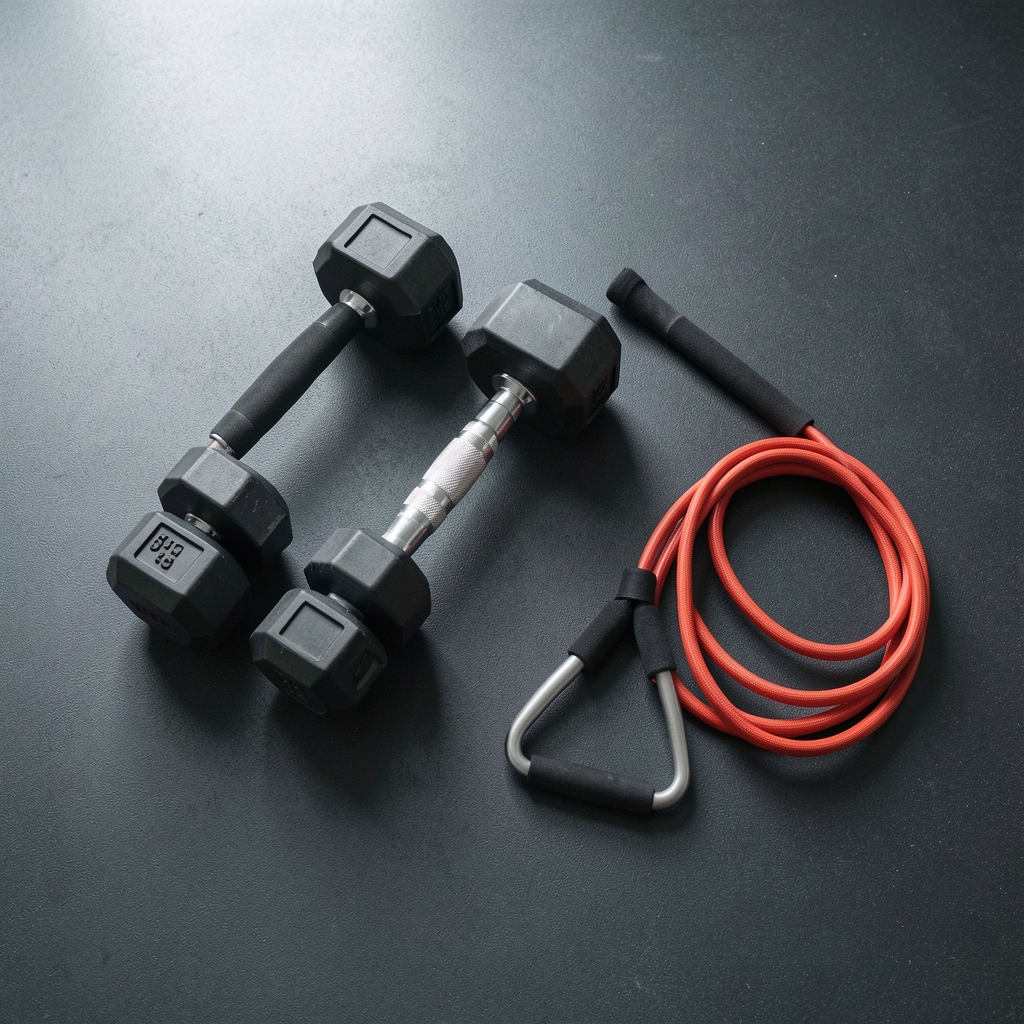
Physical output in resistance training is one of the most consistently documented areas of creatine nutritional research — Ulemo Journal editorial observation, 2026.
Across the published nutritional science literature, creatine supplementation's most consistent observation concerns short-duration, high-intensity physical output — the kind of effort associated with resistance training, interval running, and explosive sport. Studies across multiple decades and populations have noted that men in structured resistance training programmes who supplement with creatine over sustained periods tend to show changes in physical output measures compared to those who do not.
The editorial team notes these findings without framing them as outcomes achievable by any individual following a particular protocol. Nutritional research reports group averages and statistical tendencies; individual responses vary. The factors that influence individual responses to creatine supplementation — dietary creatine baseline, training consistency, training type, and overall nutritional status — are numerous enough that generalisation is always an approximation.
What is notable, and what distinguishes creatine from many other supplements in the active men's space, is the volume and consistency of the research record. The International Society of Sports Nutrition published a position statement on creatine that represents one of the most comprehensive single-document summaries of the research record. Its conclusion — that creatine monohydrate is the most well-studied nutritional ergogenic aid available — is widely cited in subsequent nutritional literature.
"The creatine editorial record is distinguished not by any single dramatic finding, but by the sheer volume of convergent evidence gathered across independent research groups over four decades."
Creatine monohydrate is the most extensively studied form. The editorial team's review of the nutritional literature finds no strong evidence that newer creatine formulations — ethyl ester, hydrochloride, buffered variants — offer substantial advantages over the monohydrate form in terms of observed outcomes. The market for creatine variants has expanded considerably, but the research base has not kept pace with that expansion.
The question of loading protocols versus steady maintenance intake is one that has been examined in the literature with some consistency. A loading approach — higher daily intake for the first five to seven days, followed by a lower maintenance quantity — has been shown to saturate muscle creatine stores more rapidly than a consistent lower daily intake. However, longer-term supplementation at a lower daily quantity reaches equivalent saturation over three to four weeks. The practical question of which approach suits a given individual's habits and tolerance is one the journal does not recommend.
Timing relative to exercise is a subject that has produced inconclusive findings across the literature. Some research suggests post-exercise consumption may have a marginal advantage; other studies find no significant difference by timing. The editorial team's position is that consistency of daily intake outweighs the significance of precise timing, particularly for men who are supplementing as part of a broader nutritional routine rather than a highly structured performance protocol.
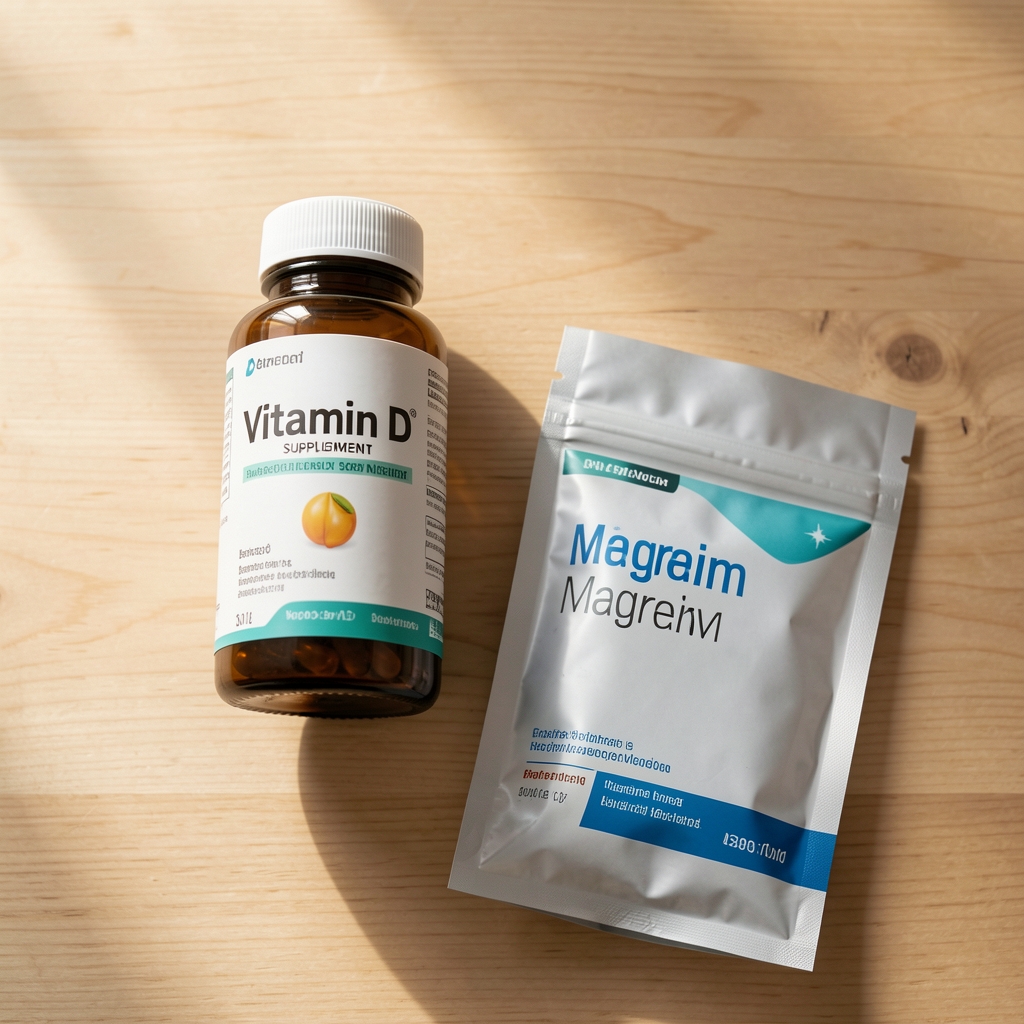
For men who supplement with creatine alongside protein, vitamin D, and magnesium — a common stack pattern in the active men's supplement market — the practical considerations involve understanding which of these compounds are most critical to take consistently and which have more flexibility in timing. Protein and creatine together around training are frequently paired in both practice and research. Vitamin D, as noted in the previous article in this journal, is fat-soluble and best taken with a meal. Magnesium and creatine have no known interaction that would suggest a specific ordering.
The editorial team observes that the most practically effective supplement stacks are those that have been simplified to what is actually taken daily, rather than optimised in theory but inconsistently followed in practice. Men who note difficulty in maintaining their supplement routine often report that too many individual products create friction in the habit. Creatine, relative to many other supplements, is one of the lower-friction additions to a daily routine — it dissolves in water or any beverage, has no strong flavour in the monohydrate form, and requires no special timing window.
The journal's view of creatine as a subject for editorial coverage is shaped by the strength of its research record and its broad presence in active men's supplement stacks across age groups and training backgrounds. Whether a specific reader's routine calls for creatine supplementation involves variables beyond what an editorial publication can address — the recommendation to speak with a qualified wellness or nutrition professional holds here as it does across all the journal's coverage.
One of the more practically significant aspects of creatine's research record is the relative volume of studies examining long-term supplementation. Research tracking creatine use over periods of several months and beyond has been a consistent feature of the literature, and the observations from these studies have not flagged concerns that have halted continued research interest — a relevant distinction from compounds where safety considerations have limited follow-up investigation.
Kidney function has been a recurring subject of inquiry in creatine research, given creatine's metabolic relationship to creatinine — a standard marker in kidney function assessments. The published research across healthy individuals does not support concerns about kidney function from standard supplementation quantities in those without pre-existing kidney conditions. Men with specific health considerations should, as with all supplementation choices, discuss individual circumstances with a qualified wellness professional.
The editorial team of Ulemo Journal notes that the creatine research record, across its breadth and consistency, represents one of the strongest single bodies of evidence in the sports nutrition supplement field. That observation does not constitute a recommendation — it is an editorial assessment of a published body of work. The distinction is important to this publication's approach to all subject matter.

Marcus Chen is the primary editor of Ulemo Journal. He covers men's nutritional habits, daily supplement routines, and the evidence base behind active lifestyle choices. His editorial approach draws on published nutritional research and field observation.
More from Marcus →